
Sober Curious: What It Means, Benefits, and Tips for Living Sober
However, where there is a beach, there is always a party, and 10best is here to help you locate the best ones. From casual to crazy, these spots will keep you hydrated and entertained. Discover how sober travel companies redefine group trips with alcohol-free adventures for the sober and sober-curious.

Many people who quit drinking find themselves with more free time than usual. Dedicating this time to self-care and satisfying hobbies can help you stay motivated to maintain a “sober curious” lifestyle. The majority of Club Soda members, she adds, abstain from alcohol entirely for an initial period of time—just to gain clarity and test themselves in social situations without an alcoholic crutch. “Taking time off from drinking will never do you any harm,” Willoughby says.
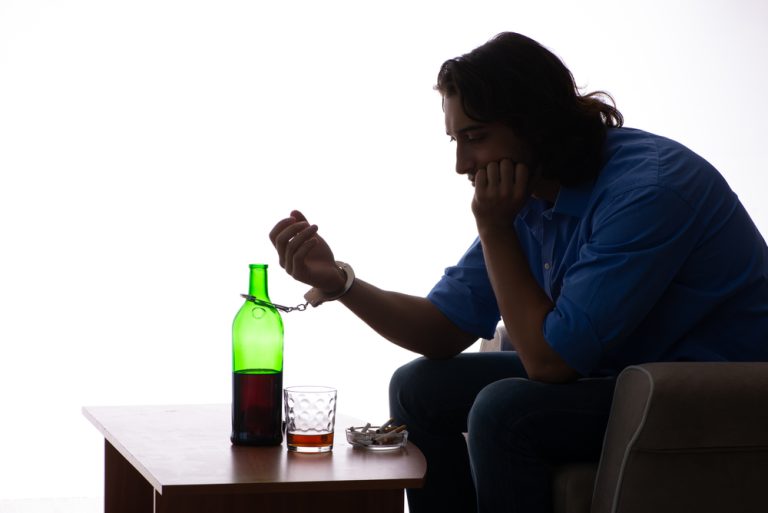
However, new research studies, along with a rise in “sober curious” influencers on social media, indicate that more and more people are considering the benefits of abstaining altogether, or more mindfully engaging in alcohol culture. The catalyst for drinking less, or not at all, is unique for each individual but can range from physical health reasons to mental clarity. But whatever the motivation, the ‘sober curious’ movement is becoming more mainstream, especially among young adults.
What Are The Benefits Of Limiting Alcohol?
As well as helping your bank account balance and reducing your chances of drunk-calling your ex, there are also some seriously positive health elements surrounding mindful drinking, says Vidal. “We already know that drinking less improves our well-being, sleep, and mental clarity, but beyond that, the latest medical studies show reducing alcohol consumption reduces the risk of cancer,” she shares. People choose to be sober curious for various reasons, and sometimes they can be deeply personal. Some are motivated by health concerns, such as the desire to lose weight, improve sleep, or reduce the risk of chronic diseases linked to alcohol consumption. Others are driven by mental health considerations, recognizing that alcohol can exacerbate anxiety, depression, and other mental health issues. On the other hand, sober curious is a more flexible, exploratory approach to alcohol consumption.
- Stepping back from regular drinking might also involve making different choices about how you spend your time.
- These non-alcoholic cocktails are crafted with the same care and creativity as traditional cocktails, offering complex flavors and a festive experience without the alcohol.
- The decision to join the sober curious lifestyle often requires personal reflection, and, for some, additional support may be necessary to navigate potential struggles with alcohol.
- The sober curious movement has significantly influenced market trends, leading to shifts in consumer preferences and an expansion of the no/low-alcohol segment.
Sober-Curious Young Americans May Be Changing the Conversation Around Alcohol
Gen Z is more open than older generations about mental health struggles, from anxiety to depression. They notice how alcohol worsens symptoms—either in the moment or during hangovers. Studies confirm that heavy drinking increases the risk of mood disorders and disrupts sleep. By contrast, abstaining often results in better mood stability, improved concentration, and a stronger sense of control. If you believe you might have a drinking problem or want additional help to abstain from alcohol, consider talking to your doctor or a mental health professional.
Begin a Journey to Sobriety with First City Recovery
Living a sober-curious lifestyle may have started among a small segment of the population, but it has grown into a mainstream movement with more and more people exploring a life without — or with less — alcohol. Being sober curious may require a thoughtful approach and sometimes strategic planning, especially in social situations. The key difference lies in the purpose and flexibility of the two paths.
What Does It Mean to Be Sober Curious? Exploring a Life Beyond Alcohol
Evidence also suggests that Gen Z is perhaps even more interested in the sober curious or sober lifestyle than their millennial counterparts and that Gen Z consumes less alcohol than previous generations. All across the country, individuals are opening sober bars filled with mocktails and non-alcoholic drinks such as kombucha. One reason sober bars are popping up across the country is that they remove the pressures and dangers of alcohol while providing a space for socialization and community, which all humans crave. In reality, though, people recovering from alcohol use disorder can go on to drink occasionally. Similarly, people who don’t meet the criteria for alcohol use disorder can still have a challenging relationship with alcohol and benefit from taking a break.
- Emotionally, the sober curious lifestyle can lead to deeper self-awareness and personal growth.
- The term sober curious has gained traction in recent years as a growing movement that encourages individuals to question their relationship with alcohol and explore a lifestyle free from it or with reduced consumption.
There’s no one way to be sober curious, but it comes down to exploring your relationship with alcohol and intentionally drinking less of it. Many people sober curious who go sober curious find themselves thriving in ways they never expected—mentally, physically and emotionally. At Freedom Detox & Recovery Center, we welcome everyone on the spectrum of recovery—whether you’re deep in addiction or just beginning to ask, “What if I took a break from alcohol?
Stage 4 Lung Cancer: Why I Said Yes to a Clinical Trial
- Seeking help for alcohol addiction or any substance abuse disorder can feel challenging, but there are many resources to help you.
- Jeanette Hu, AMFT, is a decade-long daily drinker turned psychotherapist and the creator of the Empowered Alcohol-Free 4-Pillar System.
- Online communities and social media groups dedicated to the sober curious lifestyle can also be a source of support and encouragement.
- Many people don’t even consider alcohol a drug, as if it requires a separate category of its own.
Gen Z Australians were particularly proactive; 44% noted they were drinking less during lockdown, more than double the rate observed in older generations. In New Zealand, binge drinking rates among young people have decreased by over 50% from 2001 to 2012. New establishments have also entered the market, with sober bars and shops opening across the country to meet the rising demand for alcohol-free products. The overall market for non-alcoholic beverages is projected to grow by 25% from 2022 to 2026, reflecting a shift towards moderation rather than total abstention 2. Incubators like Harmony Craft Beverage are investing in the development of functional, non-alcoholic beverages.
Kourtney x Barker Wellness Rejuvenate Magnesium Bath Flakes
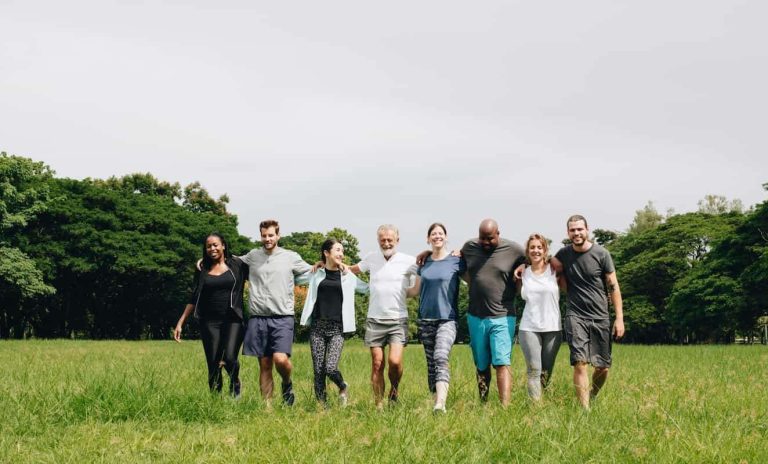
We have provided some examples in our article Tips for avoiding drinking at events. If you want to explore your relationship with alcohol, it can be helpful to cut it out and note any changes in your life caused by its elimination. Drinking alcohol can be fine in moderation for some people, but alcohol misuse or alcohol use disorder can lead to health issues and personal and professional problems.
I am more resilient as I drank to get through periods of stress, heartbreak or sadness, which meant I tried to avoid them – and you can never avoid them really! Without alcohol, I actually have to face those things so I feel stronger in myself to be able to deal with them if they arise again. If you often drink out of routine (like pouring a glass of wine after work), try swapping it alcoholism for a different ritual, like making an alcohol-free cocktail or brewing a special tea. Newer research suggests that, optimally, not having any alcohol is the healthiest route.
It’s often connected to new commitments or standard resolutions like “Dry January.” “I don’t like the way alcohol makes me feel anymore,” says Ellen Albertson, a 61-year-old psychologist and registered dietitian in North Hero, Vermont. She’s currently in breast cancer remission and cutting back on vices that could put her at future risk. In addition, she wants to work more toward practicing what she preaches as a health and wellness professional. While drinking used to be fun, Albertson has noticed that she isn’t finding it worth the side effects. “It doesn’t do anything for me now other than make me feel really sluggish and tired,” she explains.